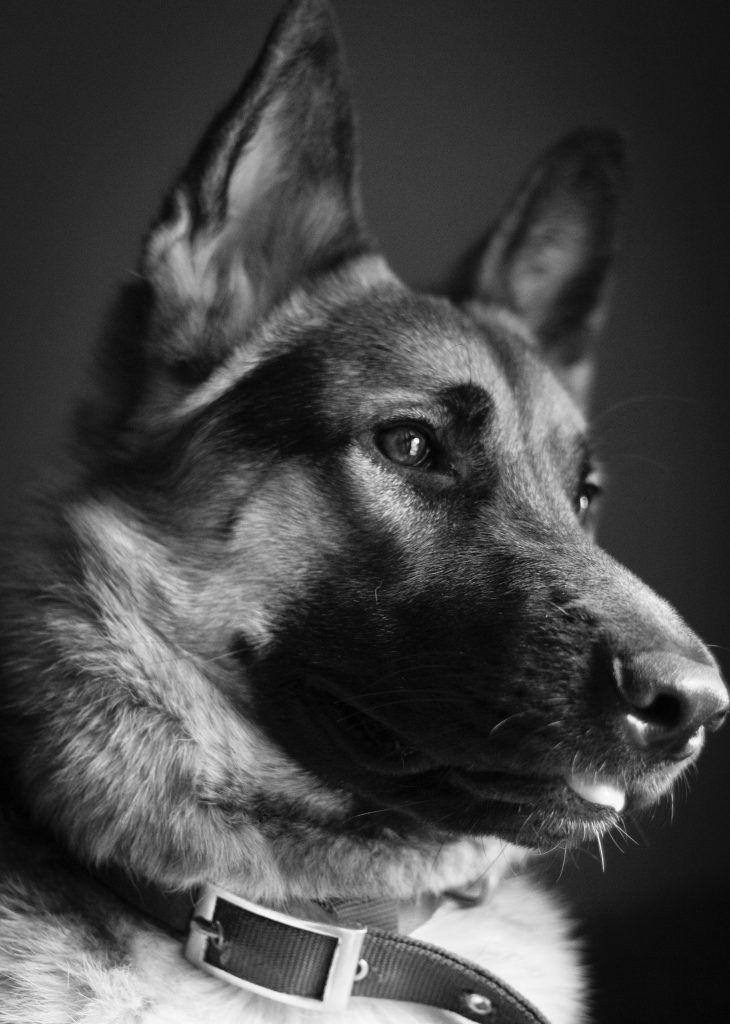
German Shepherds are known for being intelligent, loyal and energetic dogs. However, the breed is also unfortunately more prone to certain health conditions than many other dogs — including Exocrine Pancreatic Insufficiency, commonly known as EPI.
EPI is a serious digestive disorder that affects a dog’s ability to properly break down and absorb nutrients from food. Without treatment and ongoing support, dogs with EPI can lose weight rapidly, suffer chronic digestive upset and struggle to maintain their health.
In this guide, we explain why German Shepherds are more susceptible to EPI, the signs owners should watch for and how digestive enzyme supplementation may help support affected dogs.
What Is EPI in Dogs?
Exocrine Pancreatic Insufficiency occurs when the pancreas no longer produces enough digestive enzymes to properly digest food.
These enzymes are responsible for breaking down:
- Proteins
- Fats
- Carbohydrates
Without sufficient enzymes, food passes through the digestive system only partially digested. This means the dog cannot absorb the nutrients they need, even if they are eating normally or excessively.
As a result, dogs with EPI often appear constantly hungry while continuing to lose weight.
Why Are German Shepherds More Prone to EPI?
German Shepherds are one of the breeds most commonly associated with EPI. In many cases, this is linked to genetics.
The condition is often caused by a disease called pancreatic acinar atrophy (PAA), where the pancreas gradually deteriorates over time. Research suggests this condition may be inherited in German Shepherds, making the breed significantly more susceptible than many others.
Although EPI can affect any dog, it is particularly common in:
- German Shepherds
- Rough Collies
- Chow Chows
- Cavalier King Charles Spaniels
German Shepherds are believed to account for a large percentage of canine EPI cases worldwide.
Common Symptoms of EPI in German Shepherds
Symptoms often develop gradually and may initially be mistaken for a sensitive stomach or food intolerance.
Common signs include:
Unexplained Weight Loss
Even with a healthy appetite, affected dogs may lose weight quickly because nutrients are not being absorbed properly.
Constant Hunger
Dogs with EPI are frequently ravenous and may beg for food constantly.
Chronic Diarrhoea
Loose stools, frequent bowel movements or pale, greasy faeces are common signs of digestive malabsorption.
Excessive Gas
Poor digestion can lead to bloating and increased flatulence.
Poor Coat Condition
A dull coat, dry skin or increased shedding may occur due to nutrient deficiencies.
Low Energy Levels
Without proper nutrition, dogs can become lethargic and weak.
Diagnosing EPI in German Shepherds
If you suspect your German Shepherd may have EPI, it is important to consult a veterinarian.
Diagnosis usually involves a blood test called the TLI test (Trypsin-Like Immunoreactivity), which measures pancreatic function.
Early diagnosis is important because untreated EPI can lead to severe malnutrition and ongoing digestive problems.
How Is EPI Managed?
Although there is currently no permanent cure for EPI, many dogs live happy and healthy lives with proper management.
Treatment commonly includes:
Pancreatic Enzyme Supplements
Digestive enzyme supplements help replace the enzymes the pancreas is no longer producing naturally.
These supplements are usually added directly to food to aid digestion and nutrient absorption.
Dietary Adjustments
Many dogs benefit from highly digestible diets and consistent feeding routines.
Vitamin Support
Some dogs with EPI also require vitamin B12 supplementation due to poor nutrient absorption.
Can German Shepherds Live Normally With EPI?
Yes — with appropriate support, many German Shepherds with EPI can enjoy an excellent quality of life.
Once digestive enzymes and diet are properly managed, owners often notice improvements such as:
- Healthy weight gain
- Better stool quality
- Increased energy
- Improved coat condition
- Reduced hunger
Consistency is important, as EPI usually requires lifelong management.
Supporting Your German Shepherd’s Digestive Health
Because German Shepherds are genetically more vulnerable to digestive disorders like EPI, owners should pay close attention to ongoing digestive symptoms.
Persistent diarrhoea, weight loss or excessive hunger should never be ignored, particularly in this breed.
Early intervention and digestive support can make a significant difference to a dog’s comfort, health and long-term wellbeing.
Conclusion
German Shepherds are one of the dog breeds most commonly affected by Exocrine Pancreatic Insufficiency due to their increased genetic susceptibility to pancreatic disorders.
Recognising the symptoms early and providing appropriate digestive enzyme support can help affected dogs maintain a healthy and active life.
If your German Shepherd is showing signs of poor digestion, unexplained weight loss or constant hunger, seeking veterinary advice is an important first step.