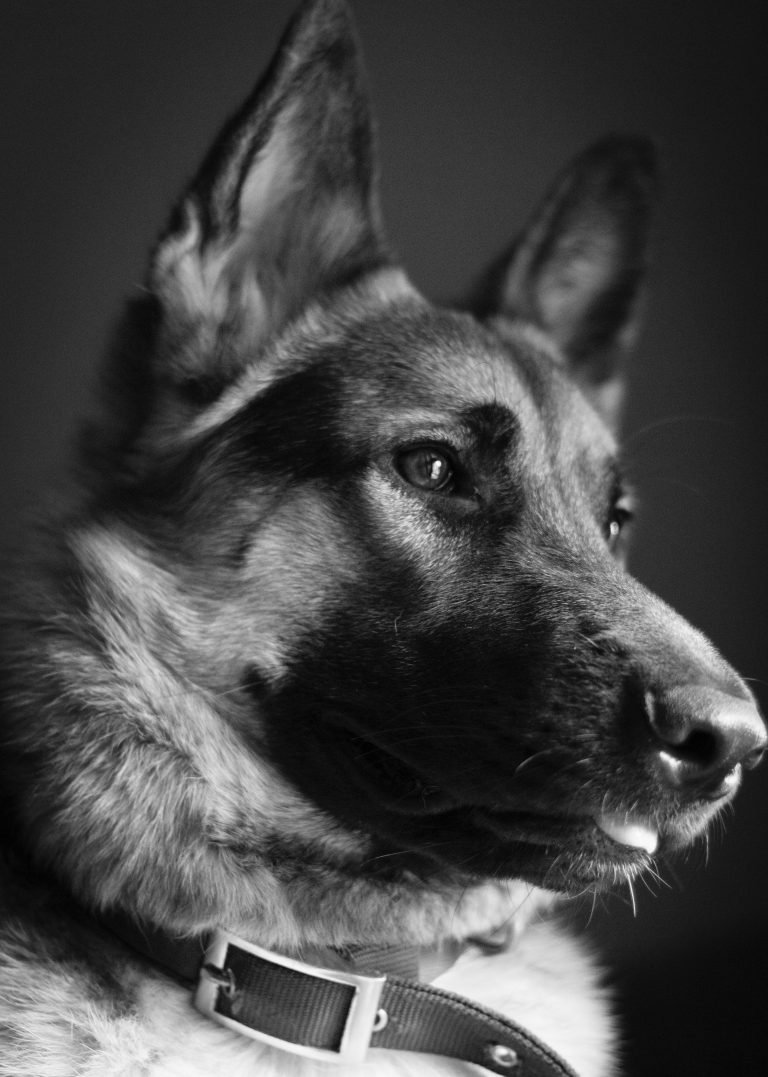
Dog Digestive Health: Why a Healthy Gut Matters
Your dog’s digestive health plays a major role in their overall wellbeing. A healthy digestive system helps dogs absorb nutrients properly, maintain energy levels, support their immune system, and enjoy a better quality of life.
When digestive issues appear, they can quickly affect your dog’s mood, appetite, and comfort. Understanding the signs of poor digestion and learning how to support your dog’s gut health can make a huge difference.
In this guide, we’ll cover everything you need to know about dog digestive health, including common symptoms, causes, dietary advice, and practical tips to keep your dog healthy.
What Is Dog Digestive Health?
Dog digestive health refers to how efficiently your dog’s stomach and intestines break down food, absorb nutrients, and eliminate waste. A balanced digestive system relies on healthy gut bacteria, quality nutrition, hydration, and regular exercise.
When digestion is working well, your dog should:
- Have regular, firm stools
- Maintain a healthy appetite
- Show consistent energy levels
- Experience minimal gas or bloating
- Maintain a healthy weight
Digestive problems can occur in dogs of all ages and breeds, although puppies and older dogs are often more sensitive.
Common Signs of Digestive Problems in Dogs
Recognising early symptoms can help prevent more serious health issues. Common signs of poor dog digestive health include:
Vomiting
Occasional vomiting may not be serious, but frequent vomiting could indicate food intolerance, infection, or gastrointestinal disease.
Diarrhoea
Loose stools are one of the most common digestive complaints in dogs. Causes range from dietary changes to parasites or stress.
Excessive Gas
Frequent flatulence can signal poor digestion or an unsuitable diet.
Constipation
Difficulty passing stools may result from dehydration, lack of fibre, or digestive imbalance.
Loss of Appetite
Dogs with stomach discomfort often eat less or refuse food altogether.
Weight Loss
Poor nutrient absorption can lead to unexplained weight loss over time.
Lethargy
Digestive discomfort often affects your dog’s energy and behaviour.
What Causes Digestive Issues in Dogs?
Several factors can affect dog digestive health.
Poor Diet
Low-quality dog food with fillers and artificial ingredients can upset digestion.
Sudden Food Changes
Switching foods too quickly can disrupt gut bacteria and cause stomach upset.
Food Intolerances
Some dogs struggle to digest certain proteins, grains, or dairy products.
Stress and Anxiety
Stress can impact your dog’s digestive system just as it affects humans.
Parasites
Worms and intestinal parasites commonly cause digestive symptoms.
Lack of Hydration
Water is essential for healthy digestion and bowel movements.
Eating Unsafe Items
Dogs often eat things they shouldn’t, leading to stomach irritation or blockages.
Best Foods for Dog Digestive Health
Nutrition is one of the most important factors in supporting a healthy gut.
Easily Digestible Proteins
Choose high-quality proteins such as:
- Chicken
- Turkey
- Fish
- Lamb
These are generally gentler on the stomach.
Fibre-Rich Ingredients
Fibre helps regulate bowel movements and supports healthy gut bacteria.
Good sources include:
- Pumpkin
- Sweet potato
- Brown rice
- Oats
Probiotics for Dogs
Probiotics introduce beneficial bacteria into the digestive system. They may help with:
- Diarrhoea
- Gas
- Bloating
- Antibiotic recovery
Prebiotics
Prebiotics feed healthy gut bacteria and help maintain digestive balance.
Fresh Water
Always ensure your dog has access to clean drinking water.
How to Improve Your Dog’s Digestive Health
Improving dog digestive health often involves small, consistent changes.
Introduce New Foods Slowly
Transition to new food gradually over 7–10 days to reduce stomach upset.
Feed Regular Meals
Consistent feeding times support stable digestion.
Avoid Table Scraps
Fatty or spicy human foods can irritate your dog’s stomach.
Exercise Daily
Regular movement supports bowel function and overall health.
Reduce Stress
Routine, enrichment, and calm environments help support digestive balance.
Use Digestive Supplements Carefully
Always choose supplements designed specifically for dogs and consult your vet if symptoms persist.
When Should You See a Vet?
Some digestive issues require professional care. Contact your vet if your dog experiences:
- Persistent vomiting
- Bloody diarrhoea
- Severe bloating
- Sudden weight loss
- Extreme lethargy
- Loss of appetite lasting more than 24 hours
Early treatment can prevent more serious complications.
Digestive Health in Puppies and Senior Dogs
Puppies
Young dogs often have sensitive digestive systems while their gut develops. Gradual diet transitions and regular parasite treatment are especially important.
Senior Dogs
Older dogs may develop slower digestion and increased food sensitivities. Senior-specific diets can help maintain digestive comfort.
Final Thoughts on Dog Digestive Health
Maintaining good dog digestive health is essential for your dog’s happiness and long-term wellbeing. A balanced diet, proper hydration, exercise, and consistent care can significantly reduce digestive problems.
By watching for early signs of stomach issues and supporting healthy gut function, you can help your dog stay active, comfortable, and healthy for years to come.
If symptoms continue or worsen, always seek veterinary advice to rule out underlying medical conditions.
Frequently Asked Questions
What is the best food for dog digestive health?
Highly digestible foods with quality protein, fibre, and probiotics are often best for digestive support.
Can probiotics help dogs with digestive issues?
Yes, probiotics may help balance gut bacteria and improve digestion in many dogs.
Why does my dog have frequent diarrhoea?
Common causes include diet changes, food intolerance, stress, parasites, or infection.
How can I improve my dog’s gut health naturally?
Provide a balanced diet, fresh water, regular exercise, and gradual food transitions while avoiding unsuitable foods.
Are digestive issues common in dogs?
Yes, digestive problems are one of the most common reasons dogs visit the vet.